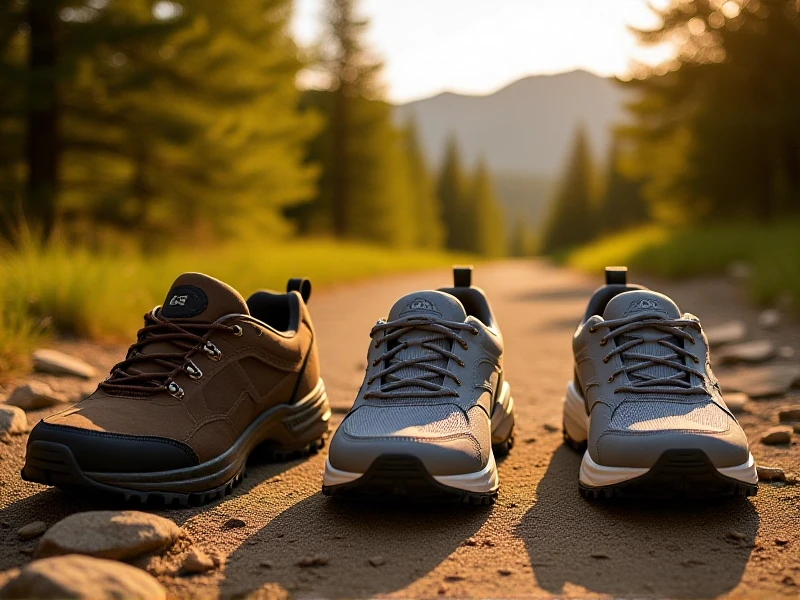
Choosing the Perfect Hiking Shoes: A Guide for Every Trail
Here is the SEO-optimized article focusing on "Hiking Shoes":
Exploring the great outdoors demands reliable gear, and the foundation of any adventure starts with your feet. Selecting the right hiking shoes is far more critical than simply grabbing a pair of trainers. They are your essential connection to the trail, impacting safety, comfort, and endurance.
Understanding the terrain you tackle most often is the first step. Are you walking well-maintained paths, scrambling over rocky slopes, or navigating muddy, uneven ground? Different hiking shoes cater to different environments:
- Light Hikers/Shoes: Ideal for smoother trails and day hikes. They offer flexibility and breathability, often lighter than boots. Look for sturdy soles and decent grip.
- Mid-Height Hiking Boots: The versatile choice for most backpackers and moderate terrain. They provide crucial ankle support and stability on uneven ground, better weather resistance, and underfoot protection.
- Mountaineering Boots: Designed for serious alpine terrain, heavy loads, and technical climbs. Prioritize maximum support and protection over flexibility.
Beyond the type, key features matter in hiking shoes:
- Fit is Paramount: Never compromise on fit. Your feet swell during ascents and long distances. Aim for a snug heel, secure midfoot, and ample toe room to avoid blisters. Always try shoes on with the socks you intend to hike in, ideally later in the day when feet are naturally larger. Allow for a break-in period before a major trek.
- Traction & Outsole: The sole's grip is vital for safety. Look for deep, multi-directional lugs made from durable rubber compounds. Vibram® is a well-regarded brand synonymous with excellent trail grip.
- Support & Stability: A firm midsole helps prevent foot fatigue and provides stability on rocky paths. Good hiking shoes efficiently transfer energy, supporting natural foot movement while minimizing ankle roll.
- Protection: A protective toe cap shields your feet from rocks and roots. A torsional shank (stiff insert between outsole and midsole) enhances stability on uneven surfaces. Consider waterproof hiking shoes (e.g., featuring Gore-Tex®, eVent® membranes) for wet conditions, though they can sacrifice breathability somewhat compared to non-waterproof models.
- Breathability & Comfort: Mesh panels enhance airflow, keeping feet cooler. EVA foam cushioning offers lightweight comfort and shock absorption for long days. Consider your foot's natural pronation (roll) and look for shoes offering appropriate stability if needed.
Investing time and research into finding your perfect pair of hiking shoes is an investment in countless miles of enjoyable, comfortable, and safe adventures. Visit a reputable outdoor store, get expert advice, try multiple brands, and walk around. Your feet, traversing mountains and forests, will thank you.