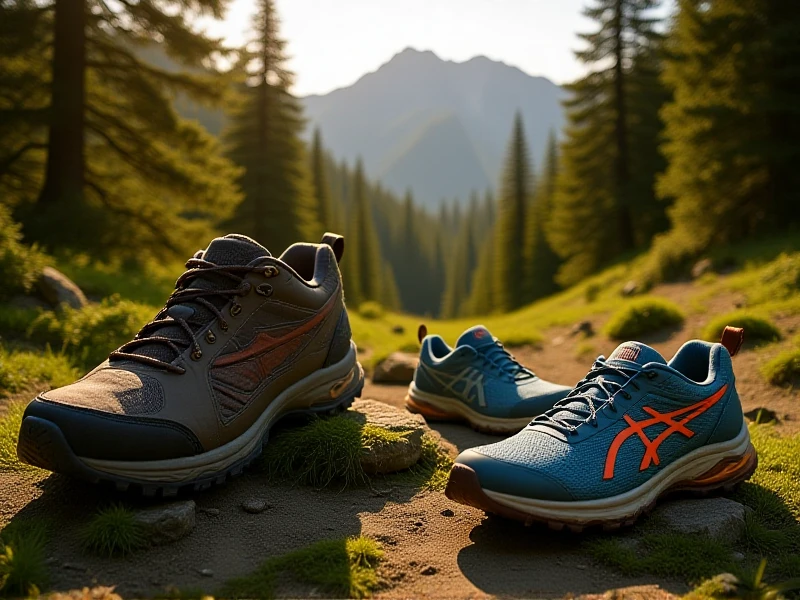
Beyond the Trail: Unveiling the Secrets of Perfect Hiking Shoes
Finding the right hiking shoes is about far more than just lacing up and walking out the door. Your feet are the foundation of every adventure, traversing everything from packed trails to slippery river crossings. Choosing the perfect pair isn't just about comfort; it's about confidence, safety, and maximizing your experience in the wild. Let's dive into the key features that transform an ordinary shoe into your ultimate trail companion.
Arguably the most critical aspect is fit. Ill-fitting hiking shoes are a recipe for misery. Your feet need room to expand naturally during long descents without sliding around. Ensure a snug heel fit to prevent blistering, adequate toe room (a thumb's width beyond your big toe is a good guide), and no uncomfortable pressure points. Visit a knowledgeable outdoor store late in the day, when feet are naturally slightly swollen, for the most accurate fitting. Trying models on with the socks you intend to hike in is essential.
Next, consider support and stability. This is paramount on uneven terrain. Look for hiking shoes that offer torsional rigidity to prevent rolling ankles on rocky sections and provide solid arch support matching your gait (neutral, overpronation, supination). Mid- to high-cut boots offer significant ankle support for heavier loads or trickier trails, while low-cut options provide greater flexibility and lightness for well-maintained paths. Remember, the right level of support depends heavily on the terrain you frequent and the weight you carry.
The outsole is your connection to the ground. Aggressive traction is non-negotiable. Seek outsoles featuring deep, multi-directional lugs made from durable rubber compounds like Vibram®. These lugs readily grip loose dirt, mud, wet rocks, and roots, preventing slips and falls. The deeper the lug, generally, the better they perform in softer conditions, though may feel less stable on hard rock surfaces. The quality of rubber significantly impacts longevity and consistent grip over time.
Finally, consider material technology. Lightweight suede and mesh offer breathability and quicker drying times for drier conditions and casual trails. Robust full-grain leather hiking shoes provide excellent durability, abrasion resistance, and waterproofing when treated, making them ideal for heavy loads and challenging, variable weather. Many manufacturers incorporate waterproof-breathable membranes (like Gore-Tex®) into their shoes, ideal for wet conditions and crossing streams, though they can be less breathable in sustained heat. Breathable mesh remains king for intensely hot, dry environments.
Understanding your terrain, typical loads, and foot biomechanics is the first step. Investing time in finding properly fitting hiking shoes with the right support, incredible traction, and suitable materials tailored to your adventures unlocks the true meaning of going far and feeling good. Don’t settle – make your next step your best step. Your feet (and your adventure) will thank you. Find your perfect hiking shoes and embrace your outdoor potential.