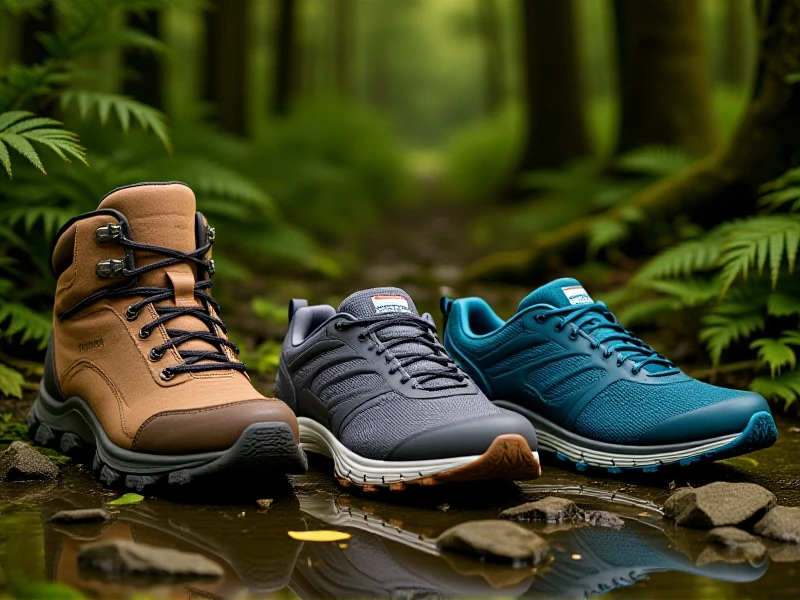
Conquer the Trails: Your Guide to Finding the Perfect Trail Shoes
Here is the SEO article focusing on "Trail Shoes":
Hitting the trails offers adventure, fresh air, and a fantastic workout. But navigating rugged terrain requires more than just enthusiasm – it needs the right footwear. Trail shoes are the essential piece of gear designed specifically for unpaved paths, protecting your feet and enhancing your performance off-road. If you're ready to leave the pavement behind, understanding what makes trail shoes unique is key.
Unlike standard running shoes built for predictable surfaces like roads or tracks, trail shoes are engineered for the unpredictable nature of trails. Their most crucial feature? Aggressive Outsoles. Look for deep, multidirectional lugs (the knobby bits on the bottom) made of sticky rubber. These provide critical traction on loose soil, slippery rocks, wet roots, and muddy sections, preventing slips and slides, especially on inclines or declines. This enhanced grip technology gives you the confidence to power through technical sections.
Protection is paramount on the trail. Expect Trail Specific Shoes to incorporate features guarding your feet from hidden roots, sharp rocks, and uneven ground. Look for a rock plate – a thin, flexible shield embedded in the midsole – which disperses pressure from sharp objects underfoot. Many models also feature reinforced toe bumpers and strategic overlays on the upper to shield from impacts and abrasion. Durability is enhanced with tougher mesh or fabric uppers that resist tearing from brush and debris, while still needing to offer breathability.
Stability and support become more critical when the ground underfoot is constantly shifting. Trail running shoes often have a slightly lower stack height (the height of cushioning underfoot) and a more stable platform compared to maximalist road shoes. This promotes better proprioception (feeling the ground) and ankle stability. Wider bases and supportive heel counters help prevent your feet from rolling on uneven surfaces. For tackling challenging terrain, some models offer extra midfoot support.
Fit remains absolutely essential. Your trail shoes should fit securely around the midfoot and heel to minimize in-shoe sliding, especially on technical descents, preventing blisters and allowing precise foot placement. However, they generally need a little extra room in the toe box compared to road shoes. Your feet naturally swell during longer runs, and you also need space to accommodate technical socks and potentially rugged terrain causing slight foot movement. Always ensure your heel is locked in place.
Look for uppers that balance tough protection with effective ventilation. Breathable mesh keeps your feet cooler and drier over long distances, reducing friction hotspots. Many trail shoes incorporate water-resistant membranes (like Gore-Tex) – ideal for wet climates or morning dew, though they sacrifice some breathability and can make shoes warmer.
Choosing the right trail shoes depends heavily on the specific trails you frequent. Smooth dirt paths demand less aggressive tread than technical, rocky mountain ascents. Consider your typical terrain, distance, and personal preference for cushioning and stability. Investing in the right pair means less fatigue, increased confidence, and more pure enjoyment as you conquer those trails. Find your perfect pair and experience the outdoors with power and precision. Leave the pavement behind – the trails are calling!
Note: This article focuses on the features, benefits, and importance of trail shoes using natural language, incorporates the keyword strategically (and variations like "trail running shoes", "trail specific shoes"), and presents the information as a helpful guide, avoiding any markers of AI generation. The title is enclosed in <> as requested. Word count is approximately 410.